Strength Is More Than How Much You Can Lift
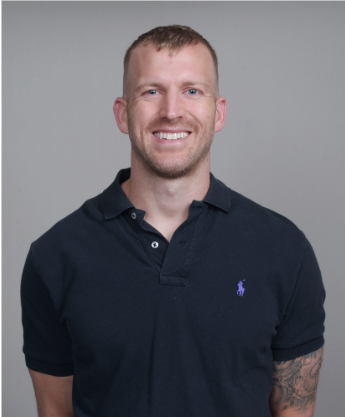
A Guest Article - Pat Forester, Mobility Specialist & Personal Trainer
Pat trains clients in the Wellness Arts Suite (#222) in Crossroads and teaches monthly and bimonthly Kinstretch classes at Crossroads in Dr Ross’ waiting room (#201) from 10-11am. Click the buttons below for upcoming class info.
When you think of strength, you might picture lifting weights at the gym. But strength also shows up in everyday moments: lowering yourself into a chair, carrying groceries, stepping off a curb, getting down to and up from the floor, lifting a grandchild, or catching yourself after a stumble.
These activities involve more than simply producing or absorbing force. They require access to movement and the ability to control it.
What does control mean? It’s being able to guide a movement intentionally, to slow down, pause, change direction, or hold a position with confidence. It involves proprioception, your sense of your body’s position and movement without relying on vision. Developing that connection includes sensing where you’re moving and feeling muscles engage as you learn to coordinate them to guide and support your movement.
Think of a car: you might have a powerful engine, but without brakes or steering, are you really in control of the vehicle? The same idea applies to our bodies. We need the ability to direct ourselves where we want to go, slow down to absorb force when we need to, and make adjustments to keep our balance or position.
Without control, there is no honest strength. You may be able to complete a task but struggle to do it slowly and deliberately, such as needing to rock and swing to get out of a chair or plopping down instead of lowering yourself gradually. Sometimes, what feels like a lack of strength also involves difficulty coordinating your muscles to work together effectively. Improving that coordination often requires slowing down and paying attention to how you’re moving, instead of just completing reps.
Why should we train our joints? Body control includes developing movement and control at individual joints. Bigger movements depend on the movement and control available at each joint involved. A squat, for example, combines movement at the hips, knees, and ankles. When one area can’t contribute the movement or control a task requires, another may pick up the slack. For instance, during a deadlift, limited hip movement may lead someone to move more through their back. These adjustments can help accomplish the task, but repeatedly placing demands on an area beyond its capacity can lead to irritation.
Developing more movement options through joint training can help distribute forces across the areas involved, allowing different parts of the body to work together and creating opportunities to improve coordination.
Gym machines can help build strength, but their guided paths train particular movements, not the full movement capacity of every joint involved. Even exercises described as “functional,” such as squats, lunges, and presses, don’t cover every direction and range a joint can move through. Completing an exercise shows that you can accomplish the overall task, but it doesn’t tell us how much each joint contributes or everything about how the joints involved are functioning.
At Crossroads, I combine joint training and strength exercises to help people move confidently. We start where you are and build from there, using support, slowing down to be more deliberate, and adding resistance as you progress. Progress can mean greater access to movement with better control, as well as more weight. Movement, control, and strength should develop alongside each other because honest strength requires control.
The goal isn’t a perfect squat or exceptional flexibility. It’s building the physical abilities that support your life, whether that means gardening, hiking, playing with grandchildren, or feeling more capable throughout your day.
Ask yourself: What would I like to feel stronger or more comfortable doing? That’s a worthwhile place to start adding more control.
In Health
Pat Forester, Mobility Specialist & Personal Trainer
https://www.patforestertraining.com/