

Nutrition Trends to Watch in 2026
Introduction: Why Nutrition Trends Matter in 2026
If nutrition trends had a personality, 2026 would be the year they finally calmed down. No more cutting out entire food groups before breakfast or drinking something questionable because a stranger on the internet promised results in three days. This year, people are paying attention to food choices that actually support how they feel day to day, and science is leading the conversation again (1).
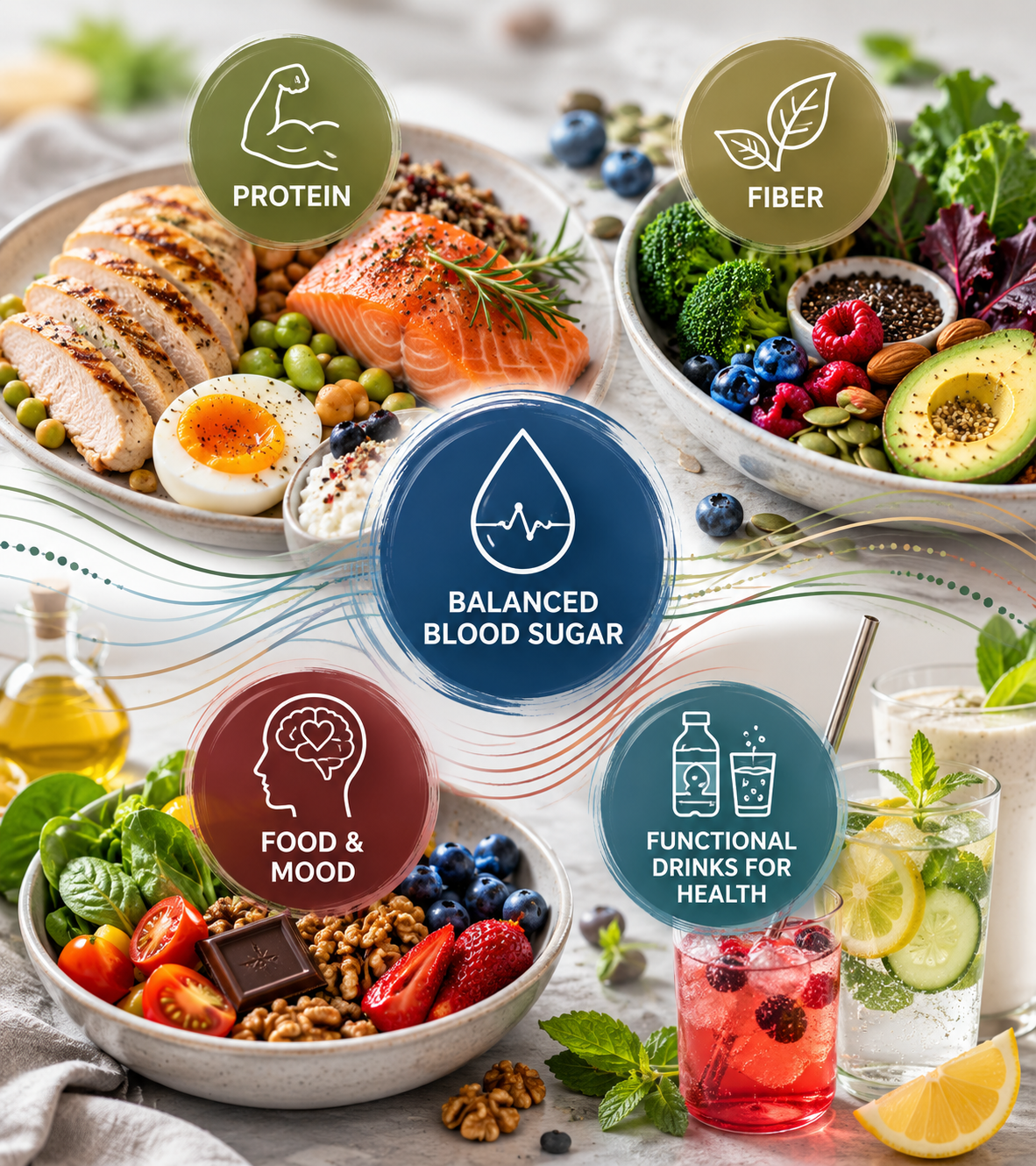
Protein continues to be a star this year, and for good reason. Eating enough protein helps people feel full, satisfied, and energized, rather than hunting for snacks an hour after eating (2,3). Fiber is also getting more attention, especially for digestion and gut health. When digestion runs smoothly, the body feels better overall, which makes fiber a quiet hero on the plate (4,5).
Balanced blood sugar is another major focus in 2026. When meals include a mix of carbohydrates, protein, and fats, energy feels steadier. And this matters for everyone, not just people managing blood sugar conditions (6,7). The truth is that fewer crashes means fewer afternoons staring into the fridge hoping for answers.
Food and mood are also closely connected, and research continues to show that nutrition plays a role in brain health and emotional well-being (8,9). At the same time, functional drinks are popping up everywhere. Electrolyte drinks and prebiotic sodas promise hydration, gut support, and energy, though not all options live up to the label hype (10,11).
In this blog, we will break down the nutrition trends shaping 2026 in a clear, practical way. The goal is simple. Help you understand what matters, skip what does not, and build eating habits that support digestion, energy, mood, and real life.
1. Rethinking Fad Diets
Fad diets tend to show up loud and confident, often promising fast results with strict rules. One week, it’s cutting carbs, and the next week, it’s drinking all your meals. These approaches gain attention because they sound simple and appealing, especially when people want quick changes. However, research shows that most fad diets rely on restriction rather than balance, which makes them difficult to follow over time (1).
When diets focus heavily on cutting foods, the body often feels the impact quickly. Energy can drop, hunger can increase, and cravings can become harder to ignore. In the long run, this pattern leaves many people feeling burned out and frustrated. This cycle helps explain why so many people move from one diet trend to the next without lasting results (1).
In 2026, the focus continues to move away from rigid rules and toward consistency. Eating regular meals, including a variety of foods, and responding to hunger cues supports both physical health and a healthier relationship with food. This year, nutrition trends point toward flexibility and nourishment.
2. Protein for Feeling Full and Fueled
Protein continues to stand out in 2026 for its role in fullness. Protein is a nutrient made up of building blocks called amino acids, which the body uses to build and repair muscles, support organs, and keep many systems working properly (2). And since protein takes longer to digest than carbohydrates alone, it helps meals feel more filling and satisfying (2).
Research from Harvard T.H. Chan School of Public Health shows that protein plays a direct role in appetite control. Studies have found that meals with adequate protein help people feel full for longer by influencing hunger hormones that signal when to eat and when to stop (2). This helps explain why meals that are low in protein often leave people feeling hungry again soon after eating.
Protein also plays an important role in muscle health across the lifespan. A large cross-sectional study examining protein intake patterns found that spreading protein intake evenly across meals helps the body use it more efficiently, especially in adults as they age (3). This research highlights that protein timing matters, not just total intake, for maintaining strength and supporting metabolism.
These findings help explain why protein remains a focus in nutrition trends. In 2026, protein trends center on practical food choices such as fish, poultry, eggs, dairy, beans, tofu, and lentils, which fit easily into everyday eating without complicated rules. Many of our cooking classes held in the Teaching Kitchen are protein forward.
3. Fiber for Digestion and Gut Health
Fiber may not be flashy, but it plays an important role in how the body feels each day. This year, fiber is getting more attention as people focus on digestion, gut health, and overall comfort. Research consistently shows that adequate fiber intake supports regular bowel movements and helps the digestive system work more efficiently, especially when intake is low (4,5).
So, what exactly is fiber? Fiber is a type of carbohydrate found in plant foods that the body cannot fully break down. Instead of being absorbed for energy, fiber moves through the digestive system and supports digestion along the way. This process helps keep stools soft, supports regularity, and promotes a healthier gut environment (5).
There are two main types of fiber, each serving a different purpose. Soluble fiber dissolves in water and forms a gel-like substance in the digestive tract. This slows digestion and helps the body process food more smoothly. Insoluble fiber does not dissolve in water and adds bulk to stool, which helps keep bowel movements regular. Most plant foods contain a mix of both types, which is why eating a variety of fiber-rich foods supports digestion best (5).
Fiber also plays an important role in gut microbiome health. The gut is home to trillions of bacteria that support digestion, immune function, and overall health. Certain fibers deemed “prebiotic fibers” act as food for these beneficial bacteria. A recent randomized controlled trial found that fiber supplementation improved gut bacteria balance and bowel function in healthy adults, highlighting how fiber directly supports gut health at a microbial level (4). We routinely use prebiotc fiber supplements to help reduce “leaky gut”, improve tolerance to foods and the environment, and regulate digestion and appetite. Solaray brand Triple Fiber Powder is one example that our patients seem to love.
Simple choices like keeping the skin on fruits, choosing whole grains more often, or adding beans to soups, stir fries and salads increase fiber without changing how meals feel. When fiber is spread throughout the day and paired with enough fluids, digestion tends to feel more comfortable and reliable, making fiber an easy win rather than another thing to manage.
4. Balanced Blood Sugar for Daily Energy
Balanced blood sugar is a major focus in 2026, driven by rising rates of type 2 diabetes and growing awareness of metabolic health. According to the Cleveland Clinic, type 2 diabetes continues to increase, affecting millions of adults and becoming more common at younger ages (6). Thus, this has pushed blood sugar balance into everyday nutrition conversations, not just clinical settings.
Blood sugar affects how the body feels throughout the day. When blood sugar rises quickly and then drops, energy often follows suit. This can look like a strong start in the morning followed by a mid-morning crash, afternoon fatigue, or sudden cravings that feel hard to control (6).
Research shows that blood sugar response depends not only on what we eat, but how meals are structured. When meals are made up mostly of refined carbohydrates (white bread/pasta/rice, cookies, sugary breakfast cereals, etc.), blood sugar tends to spike quickly. Guidance from the Joslin Diabetes Center explains that pairing carbohydrates with protein and fat slows digestion and helps glucose enter the bloodstream more gradually, supporting steadier energy after meals (7). Think apples with peanut butter, rice with salmon, and oatmeal with hemp and chia seeds.
Meal order also plays a role in blood sugar balance. Research has found that eating protein, fiber-rich foods, or vegetables before carbohydrates can reduce blood sugar spikes after meals (7). Starting meals with vegetables or protein slows carbohydrate absorption and supports a more even energy release, without changing the foods themselves.
In 2026, this trend centers on simple meal-building strategies over restriction. Pairing carbohydrates with protein, fiber, and fats, and paying attention to meal order, helps energy last longer and reduces dramatic highs and lows. These shifts support metabolic health while keeping meals enjoyable and realistic.
We’ve started offering direct-to-consumer Stelo brand Continuous Glucose Monitors (CGM) in the Apothecary and holding classes on how to use them in the Teaching Kitchen to help you get a handle on your blood sugar before it becomes a problem.
5. Food for Mood and Mental Health
Interest in food and mental health continues to grow in 2026, as research highlights the close connection between the brain and body. Scientists are paying more attention to how everyday food choices influence mood, focus, and emotional balance. This has helped bring nutrition into conversations about mental well-being in a more meaningful way (8,9).
Research from Mass General Brigham explains that the brain relies on nutrients to produce chemicals that affect mood and stress response. These chemicals help regulate how we feel, think, and respond to daily challenges. When meals are balanced and regular, the brain receives steady fuel, which supports clearer thinking and emotional stability (8).
Harvard Health describes this emerging field as nutritional psychiatry. Research in this field shows that diets rich in whole foods, including fruits, vegetables, lean proteins, and healthy fats, are linked with better mental health outcomes. This is because these foods provide nutrients that support brain signaling and reduce inflammation, both of which influence mood (9).
Blood sugar balance also plays an important role in emotional well-being. Rapid changes in blood sugar can affect the brain’s access to energy, which may show up as irritability, low mood, or mental fatigue. Meals that support steady blood sugar help the brain stay fueled throughout the day, which can make your mood feel more stable.
Regular eating patterns and nutrient-dense foods help support emotional resilience and mental clarity. So, while food alone is not a treatment for mental health conditions, it remains an important part of daily self-care and overall well-being.
6. Functional Drinks and Beverages
Functional drinks are everywhere in 2026. From electrolyte packets to prebiotic sodas, beverages are now marketed as tools for hydration, energy, gut health, and focus. As more people look for easy ways to support their health, drinks have become part of the nutrition conversation rather than just something to sip on the side.
Electrolyte drinks have gained popularity as hydration gets more attention. Electrolytes are minerals that carry an electric charge and help the body function properly. The most common electrolytes include sodium, potassium, magnesium, and calcium. These minerals support fluid balance, muscle movement, nerve signals, and heart function. Harvard Health explains that electrolytes are lost through sweat, illness, and intense activity, which is when replacing them can be helpful (10).
For most people, daily electrolyte needs are met through food. Fruits, vegetables, dairy, beans, nuts, and salted foods naturally provide these important minerals. That said, electrolyte drinks can be useful during long workouts, in hot weather, or when ill, but they are often unnecessary for light activity or everyday hydration. In some cases, they also contain added sugars that can outweigh the benefits (10).
Prebiotic sodas are another fast-growing trend. These drinks contain added fibers meant to feed beneficial gut bacteria. According to the Cleveland Clinic, prebiotic sodas may support gut health, but they should not replace fiber-rich foods like fruits, vegetables, and whole grains (11). Some varieties can also cause bloating or digestive discomfort, especially when consumed in large amounts.
Research on functional drinks points to an important takeaway. These beverages can play a supportive role, but they work best alongside a balanced diet. Understanding what electrolytes do, reading labels carefully, and knowing when water and whole foods are enough help drinks support health rather than complicate it.
Wrapping It Up: A Balanced Way to Eat in 2026
Nutrition trends in 2026 share a common theme: they focus on supporting how people actually feel day to day. From feeling full after meals to having steady energy, better digestion, and a more even mood, the goal is not perfection. The goal is to feel good more often.
This year’s trends remind us that food does not need to be complicated to be helpful. Protein supports fullness, fiber keeps digestion running smoothly, balanced meals help energy last, and hydration supports both the body and brain. These pieces work quietly in the background, doing their job without demanding extreme rules or constant tracking.
Of course, new trends will continue to pop up. When you bump into the next “must-try” diet or viral nutrition rule, it helps to pause for a moment. Ask whether it supports balance, includes a variety of foods, and feels realistic for your life. If the answer feels stressful or restrictive, it may be another fad dressed up with a shiny new name.
Eating in a way that supports your body should feel supportive and flexible. And, it should also leave room for enjoyment, because food is meant to be part of life, not a math problem. This is your reminder that sustainable habits tend to stick around much longer than quick fixes, even when the quick fixes are trending hard.
As you move forward, think of nutrition as something you build over time. A balanced plate here, a better snack choice there, and maybe even a functional drink that actually earns its spot. Small choices add up, and your body notices, even if it does not send a thank-you note.
One Last Thought
Nutrition trends can be helpful, but the real magic happens when you figure out what works for you. Your body, schedule, and goals are unique, and the best approach is one that fits into real life without adding stress or pressure.
If you found yourself nodding along while reading this, it may be worth taking a closer look at how these trends show up in your own day-to-day routine. Sometimes a quick conversation is all it takes to connect the dots, ask a few questions, and get clarity on what small changes could make the biggest difference.
If you are curious about what that might look like, you can always schedule a one on one session with our nutritionists, or come to a class in the Teaching Kitchen.
In Health,
Keri Connell, CNS, LDN
References
Ellis, E. (2019, March 18). Staying Away from Fad Diets. Www.eatright.org. https://www.eatright.org/health/wellness/diet-trends/staying-away-from-fad-diets
Harvard T.H. Chan School of Public Health. (2012, September 18). Protein. The Nutrition Source. https://nutritionsource.hsph.harvard.edu/what-should-you-eat/protein/
Smeuninx, B., Greig, C. A., & Breen, L. (2020). Amount, Source and Pattern of Dietary Protein Intake Across the Adult Lifespan: A Cross-Sectional Study. Frontiers in Nutrition, 7. https://doi.org/10.3389/fnut.2020.00025
Inoue, R., Suzuki, K., Takaoka, M., Narumi, M., & Naito, Y. (2025). Effects of Dietary Fiber Supplementation on Gut Microbiota and Bowel Function in Healthy Adults: A Randomized Controlled Trial. Microorganisms, 13(9), 2068. https://doi.org/10.3390/microorganisms13092068
Mayo Clinic . (2024, November 4). Dietary fiber: Essential for a healthy diet. Mayo Clinic; Mayo Clinic. https://www.mayoclinic.org/healthy-lifestyle/nutrition-and-healthy-eating/in-depth/fiber/art-20043983
Cleveland Clinic. (2023, November 8). Type 2 diabetes. Cleveland Clinic. https://my.clevelandclinic.org/health/diseases/21501-type-2-diabetes
Joslin Diabetes Center. (2021). Effects of Carbs, Protein and Fats on Glucose Levels | Joslin Diabetes Center. Joslin.org. https://joslin.org/news-stories/all-news-stories/education/2021/07/carbs-protein-fats
Chan, A. (2024, March 8). How Food Affects Your Mood | Mass General Brigham. Www.massgeneralbrigham.org. https://www.massgeneralbrigham.org/en/about/newsroom/articles/how-food-impacts-your-mood
Selhub, E. (2022, September 18). Nutritional psychiatry: Your brain on food . Harvard Health Blog; Harvard Health Publishing. https://www.health.harvard.edu/blog/nutritional-psychiatry-your-brain-on-food-201511168626
Klein, S. (2024, December 6). Gatorade. Liquid IV. Do you need extra electrolytes? - Harvard Health. Harvard Health. https://www.health.harvard.edu/nutrition/gatorade-liquid-iv-do-you-need-extra-electrolytes
Clinic, C. (2024, December 27). Are Prebiotic Sodas Good for You? Cleveland Clinic. https://health.clevelandclinic.org/are-prebiotic-sodas-good-for-you